5 Minute History Lessons
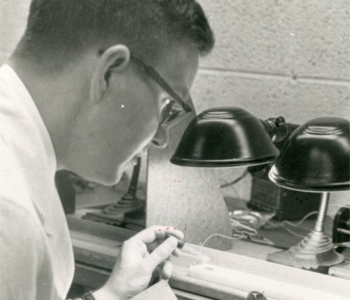
James V. McConnell was an experimental psychologist who spent his career at the University of Michigan. He is best known for his work in comparative psychology and his memory transfer research on flat worms. But did you know he was also a target of the Unabomber?
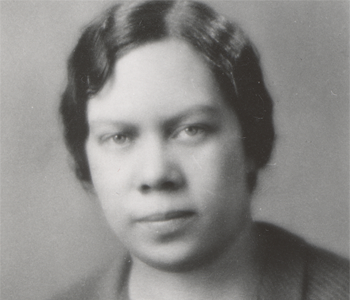
Ruth Winifred Howard was among the first African American women to earn a doctorate in psychology, earning her PhD from the University of Minnesota in 1934. Her dissertation was the first published study or a large group of triplets of varying ages and ethnic groups. Howard practiced psychology throughout her life in a variety of settings including public schools, boards of health, medical schools, and private practice.
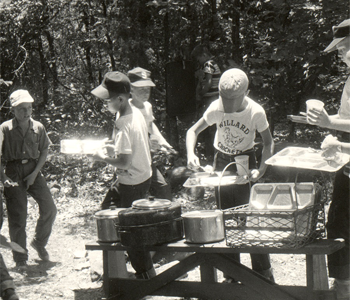
Muzafer and Carolyn Wood Sherif’s Robbers Cave experiment is one of the most well-known and cited studies in the history of social psychology. Learn more about the Eagles and the Rattlers (and the Panthers and the Pythons before them), intergroup conflict, and super ordinate goals through archival film and audio, photographs, and primary source documents from the famous study.
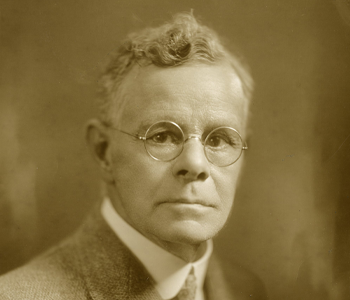
Edmund Delabarre was appointed as the first professor of psychology at Brown University in 1891 and shortly thereafter established Brown’s psychological laboratory. Delabarre painstakingly studied “substance-induced consciousness” using only himself as his subject. Delabarre ingested cannabis in liquid form and detailed his visual and sensory experiences and responses to early laboratory equipment in meticulous detail. His control? His own normal state.
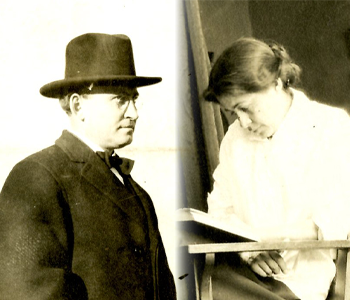
Harry and Leta Stetter Hollingworth are critical figures in the history of applied psychology – Harry for his work in industrial/organizational psychology and Leta for her work in clinical psychology, psychology of women, and gifted education. Both researched and published widely while teaching psychology. Their influence on early applied psychology cannot be denied, and theirs was a great love story to boot.
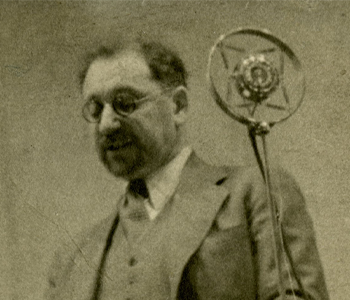
Psychologist David P. Boder is primarily known for making the first voice recordings of Holocaust survivors. His research centered around trauma and using a wire recorder he recorded the stories of displaced persons in Europe following WWII (1946) and later in the United States after the Kansas City Flood (1951).
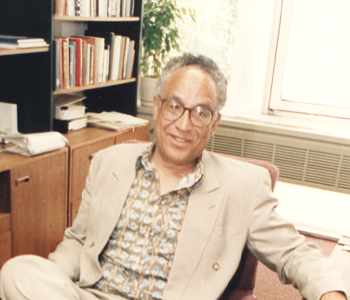
Robert Val Guthrie was a pioneering psychologist and historian whose work, including his influential 1976 book Even the Rat Was White, shone a bright light on the contributions of Black psychologists, activists, and scholars. Guthrie grappled directly with the widespread racial stereotypes of the time in his work and confronted them directly as a young Black scholar, calling for a “revolution by the people to bring about diversity.”